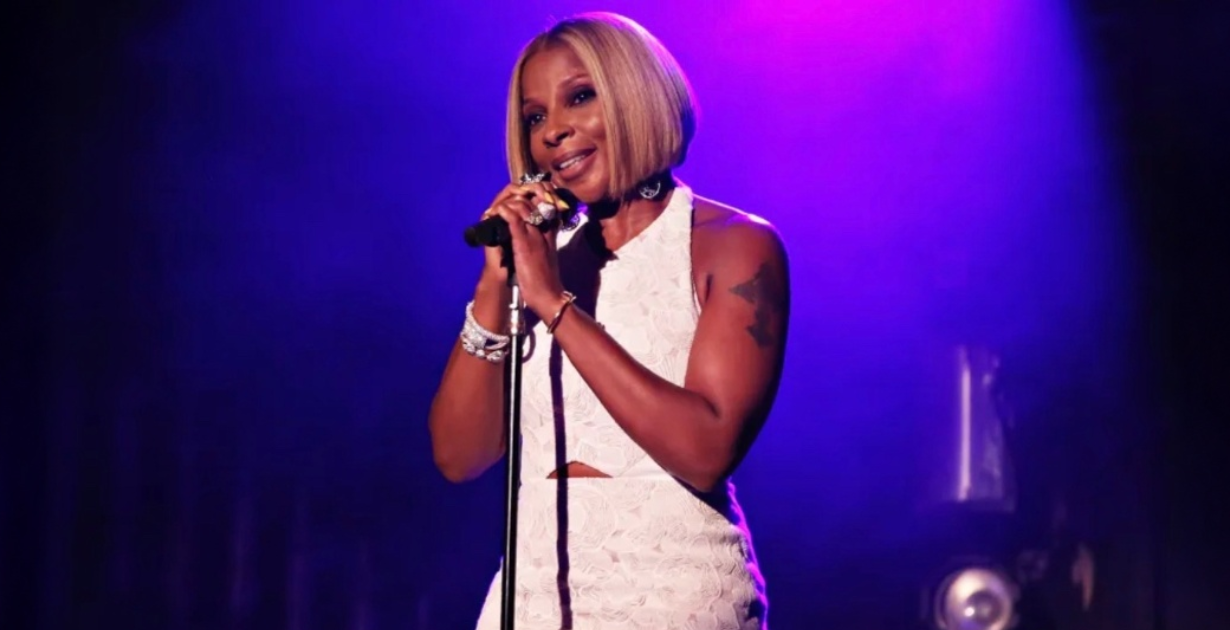
Mary J. Blige is scrutinised for her vocals online in ways that Keith Sweat has never faced — and that imbalance exposes a deeper misogyny within Black music culture.
Across social media, clips of Mary J. Blige performing live are routinely dissected for vocal strain, breath control, and tone. These moments often go viral without context, flattening a career that spans more than three decades into a few seconds of critique. What makes this scrutiny striking is how disproportionate it is when compared to the treatment of male R&B vocalists with well-documented vocal limitations.
Blige is one of the most successful artists in R&B history, with over 80 million records sold worldwide and a catalogue that includes What’s the 411?, My Life, Share My World, and The Breakthrough — albums that shaped the emotional language of modern R&B. Her gospel-rooted vocal style has always prioritised feeling and testimony over technical polish. Yet online, that emotional intensity is frequently reframed as vocal failure, with language that questions her longevity and legitimacy.
Keith Sweat, by contrast, has built a celebrated career with an estimated 25 million records sold and landmark albums such as Make It Last Forever and I’ll Give All My Love to You. His nasal tone, limited range, and talk-sung delivery have long been acknowledged, but rarely scrutinised. Instead, his vocal style is accepted as character — absorbed into nostalgia rather than replayed as evidence of decline.
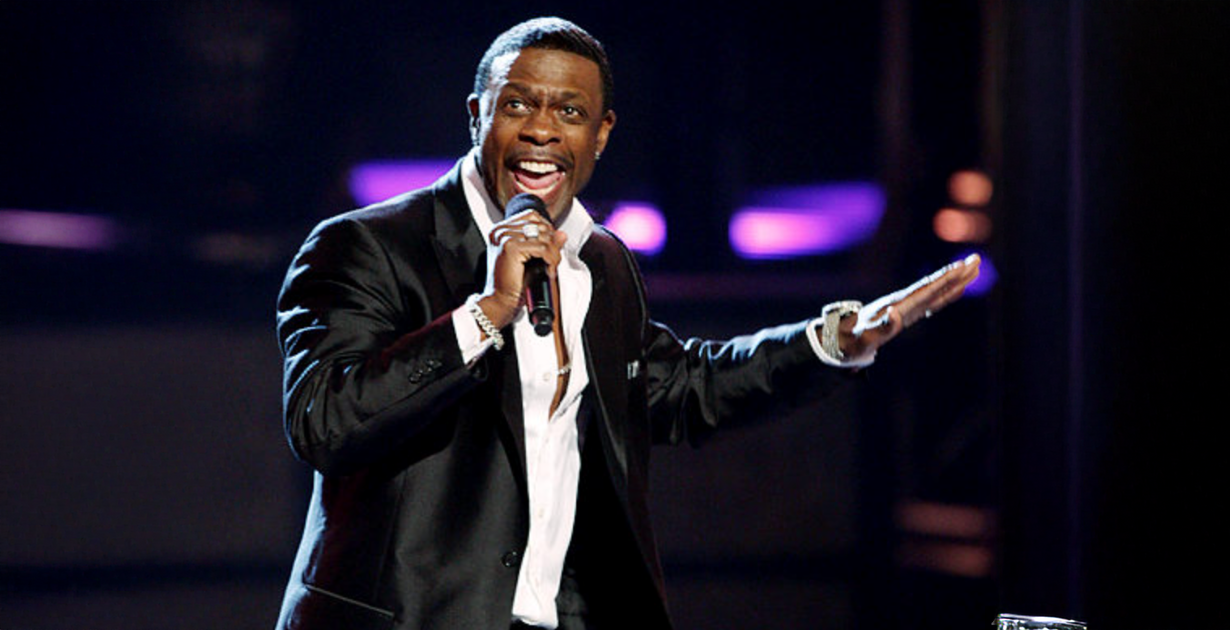
Keith Sweat’s nasal tone and talk-sung delivery became part of his identity, with vocal limitations rarely framed as flaws in R&B discourse.
This disparity reveals how misogyny operates within Black music spaces. Black male vocalists are often granted authenticity by default, while Black women are expected to constantly prove their worth. When men sound rough, it is framed as rawness or honesty. When women do, it becomes a referendum on their ability, relevance, and age.
Social media has intensified this dynamic by rewarding viral criticism. Clips targeting Black women’s vocals travel faster, linger longer, and shape narratives more permanently. Reaction content often applies pop or classical standards to gospel-influenced R&B, ignoring the genre’s roots in blues, jazz, and spiritual expression.
R&B was never built on perfection. It was built on feeling. To repeatedly reduce Mary J. Blige’s legacy to viral critique — while sparing male counterparts similar treatment — says less about vocal ability and more about who is allowed to be human in Black music.
At The Music Suite, we believe context matters. Until misogyny in Black music criticism is named, it will continue to hide behind the language of objectivity — and artists like Mary J. Blige will continue to carry an unfair burden.
