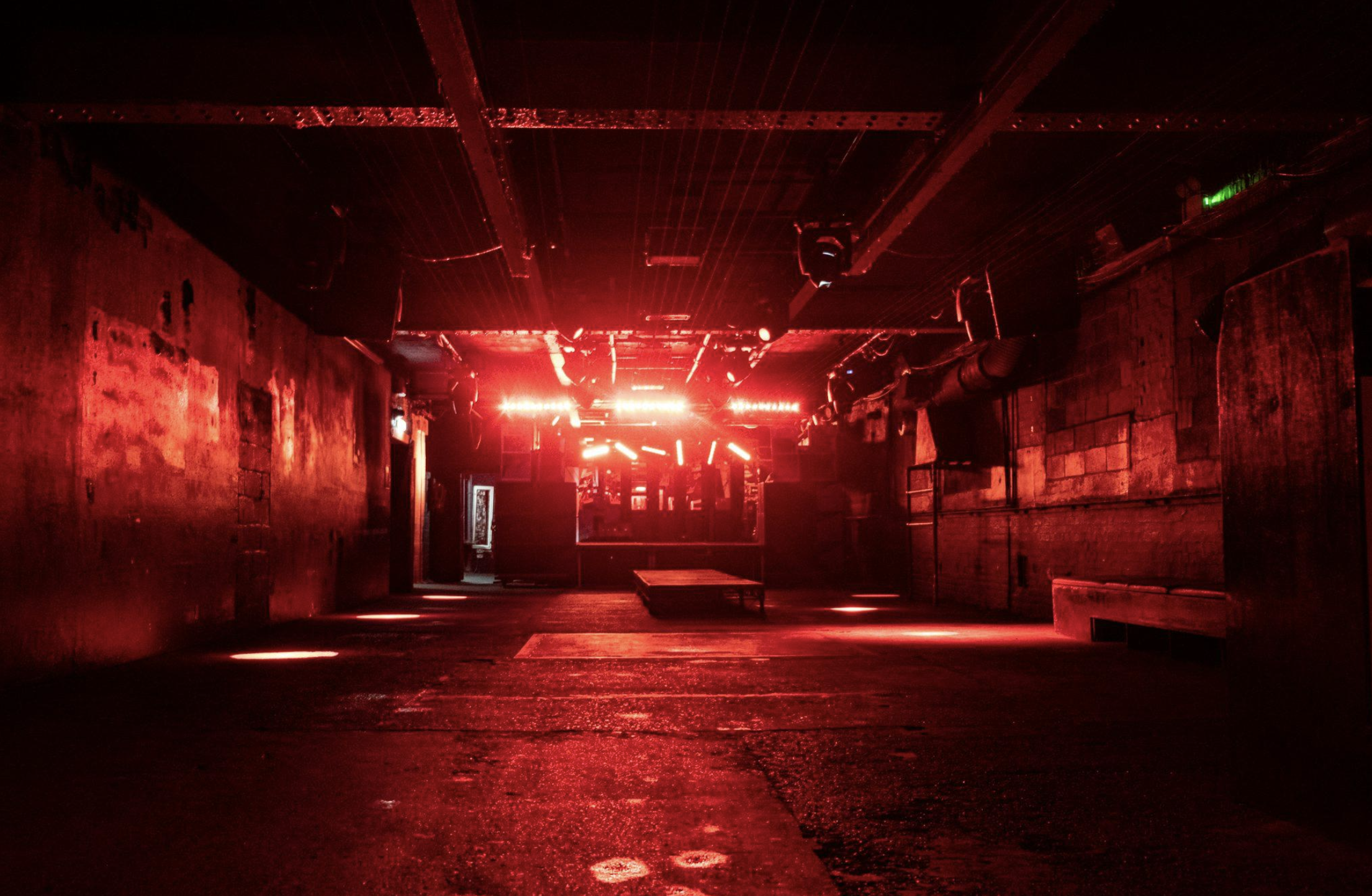
For independent promoters, putting on a party is rarely just about putting on a party. Behind every dancefloor is a series of financial decisions, personal sacrifices and calculated risks that most people buying a ticket never see.
Venue hire, artist fees, sound engineers, marketing and production costs all need to be accounted for, often before a single person has stepped through the door.
And sometimes, despite the quality of the programming, the audience simply doesn't turn up in sufficient numbers. One poorly attended event can compromise months of future activity.
But what if some of that financial risk could be removed?
On 17 November 2026, Music Venue Trust and Creative Wales announced Liveline Cymru, an initiative designed to support grassroots music and strengthen the Welsh touring circuit.
Perhaps its most interesting proposition is its ability to cover up to 80% of approved event losses, while allowing promoters and venues to retain any profits from successful events.
For example, an independent promoter who spends £3,000 delivering an event but generates only £2,000 in revenue could potentially see their £1,000 loss reduced to £200, subject to eligibility and funding approval.
The initiative also supports regular programming, venue hire and promoter training.
One of the less discussed consequences of the financial pressures facing grassroots promoters is their impact on musical curation.
When the financial stakes become too high, commercial viability can begin to dictate creative decisions.
Established names become safer bookings. Emerging artists become harder to accommodate. Line-ups become increasingly predictable. Promoters become less inclined to experiment with sounds, concepts and artists that may require time to build an audience.
For communities centred around house, jazz, hip-hop, broken beat and other forms of Black dance music, this raises an important question about where the next generation of talent will find the spaces to develop.
Not every artist arrives with an established audience. Not every musical movement begins with a sold-out room.
Someone, somewhere, had to take a chance.
Independent promoters are often celebrated for the experiences they create, but rarely for the financial risks they absorb.
They are not simply event organisers. They are curators, community builders, talent discoverers and cultural contributors.
Yet much of this work is underwritten by their own finances, with the expectation that ticket sales and audience support will eventually make the numbers work.
When that doesn't happen, the consequences extend beyond the promoter. Artists lose potential bookings, audiences lose spaces for musical discovery, and communities lose platforms that contribute to their cultural identity.
What makes Liveline Cymru particularly interesting is its potential to support the development of music communities rather than simply individual events.
Building a sustainable music community requires consistency. It requires promoters who understand their audiences, venues willing to accommodate new ideas and artists who are given opportunities to develop their craft.
A successful party is one thing. Creating a sustainable platform for musical discovery is another.
Reducing financial exposure could give independent promoters more room to prioritise cultural contribution alongside commercial considerations.
It could mean more opportunities for emerging DJs, more adventurous programming, more touring artists visiting smaller cities and, importantly, more independent promoters remaining in the ecosystem.
Although Liveline Cymru is specifically designed for Wales, its impact could offer valuable lessons for grassroots music communities elsewhere in the UK.
The real measure of its success should not simply be how many events receive funding, but how many events take place that otherwise would not have happened.
How many emerging artists get booked? How many promoters are able to continue? How many communities gain access to music they might otherwise never experience in their hometowns?
And how much more interesting could our dancefloors become if financial survival wasn't always the overriding consideration?
Protecting grassroots music should mean more than protecting the spaces in which it exists. It should also mean protecting the people who programme those spaces and their freedom to take creative risks.
